How to Price Your Kirkland Home to Get Multiple Offers in 2026
Selling Nic Chambers August 21, 2026
Selling Nic Chambers August 21, 2026
I still get sellers who tell me they want to price their Kirkland home the way a friend did in 2021: list low, watch a bidding war happen, walk away thrilled. That approach can still work in 2026, but only for the right home, in the right condition, in the right price band.
Kirkland's median sale price sits around $1.3 million right now, with homes taking roughly 13 days to sell, up from 6 days a year ago. That's still fast by most standards, but it's not the frenzy some sellers remember.
Here's how pricing psychology, Kirkland's very different micro-markets, and a structured offer process actually combine to produce competing offers in today's market, not the one from four years ago.
Pricing a home at or just under its true market value creates urgency. Buyers recognize a fairly priced home won't last, and that recognition is what drives competing offers in the first place. But this only works on homes that can actually back it up. With days on market up more than double what it was a year ago, buyers are touring more homes before writing an offer than they used to, and they're comparing what they see against what they're paying for.
A home with deferred maintenance or a layout that doesn't show well doesn't spark a bidding war when it's priced under market. It signals a problem, and buyers price that risk in rather than compete for it.
This is also where I tell sellers to separate two different goals. If your priority is the fastest possible sale, underpricing slightly is a reasonable tool. If your priority is the highest net number, it only works when your home is genuinely ready to be compared against the best listings in your price band, not just priced to look like a deal on paper. I've watched two nearly identical homes on the same street sell within weeks of each other with very different outcomes, and the difference almost always traces back to preparation, not the number on the sign.
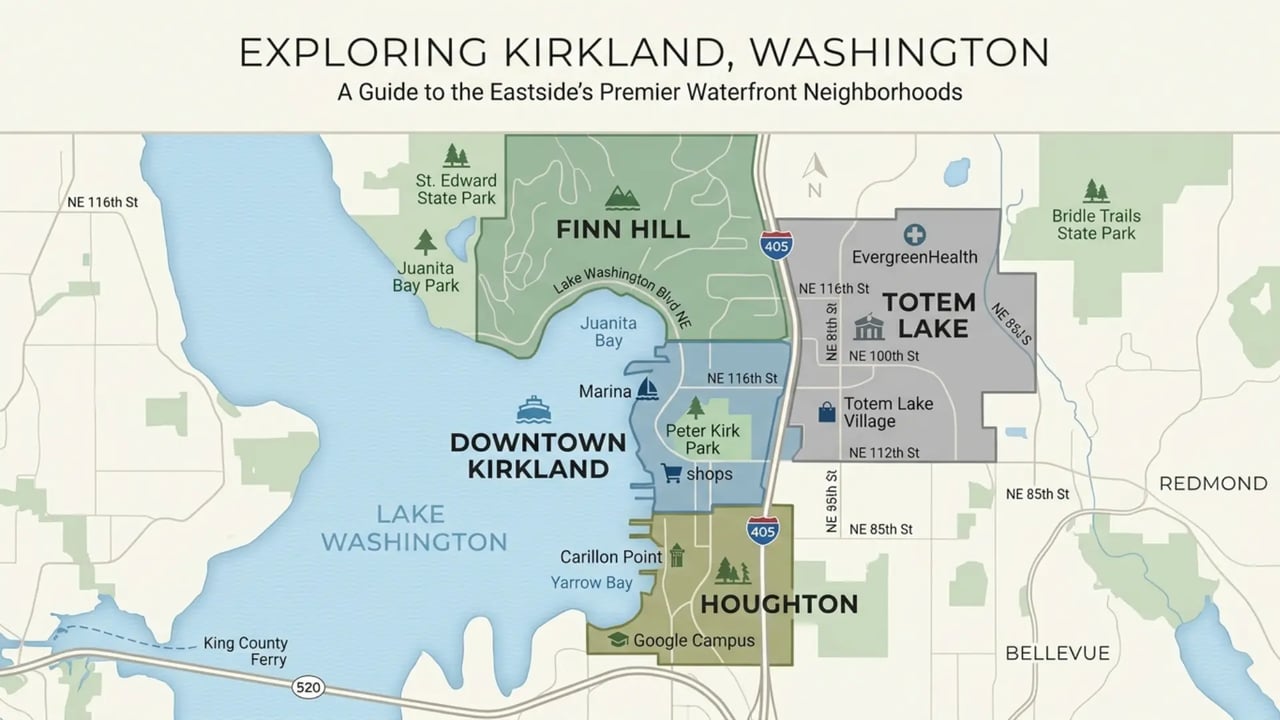
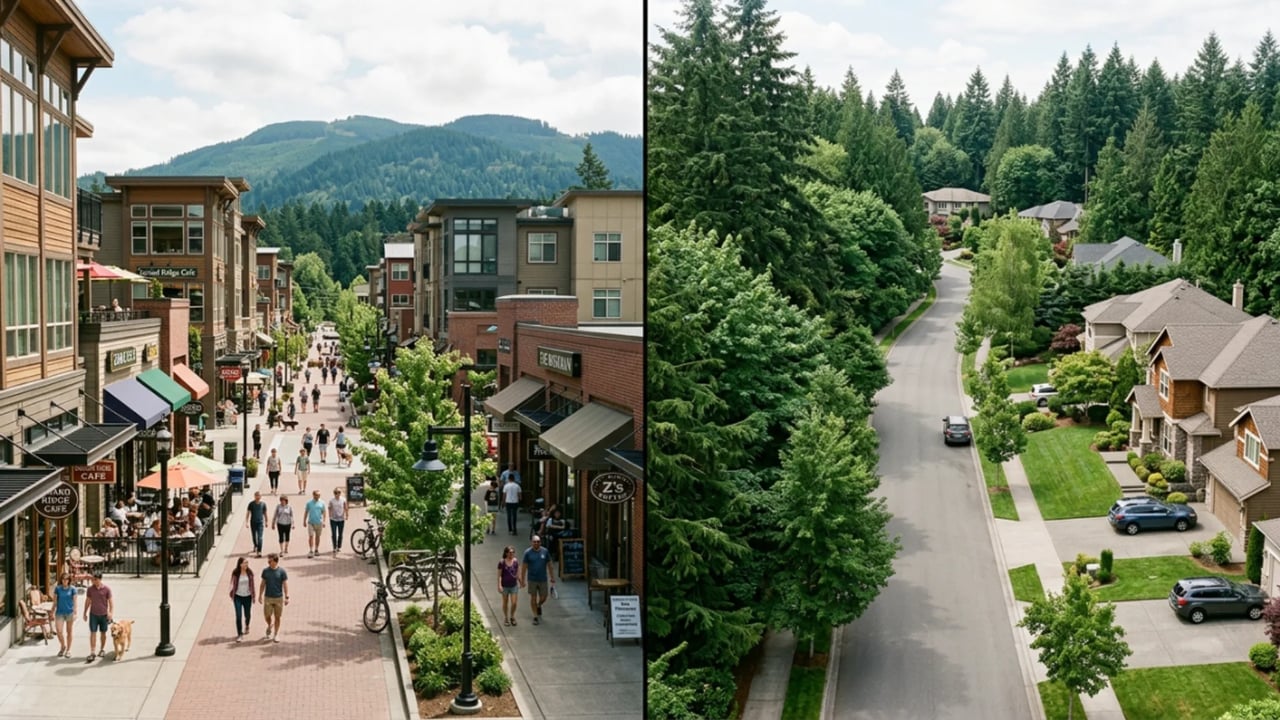
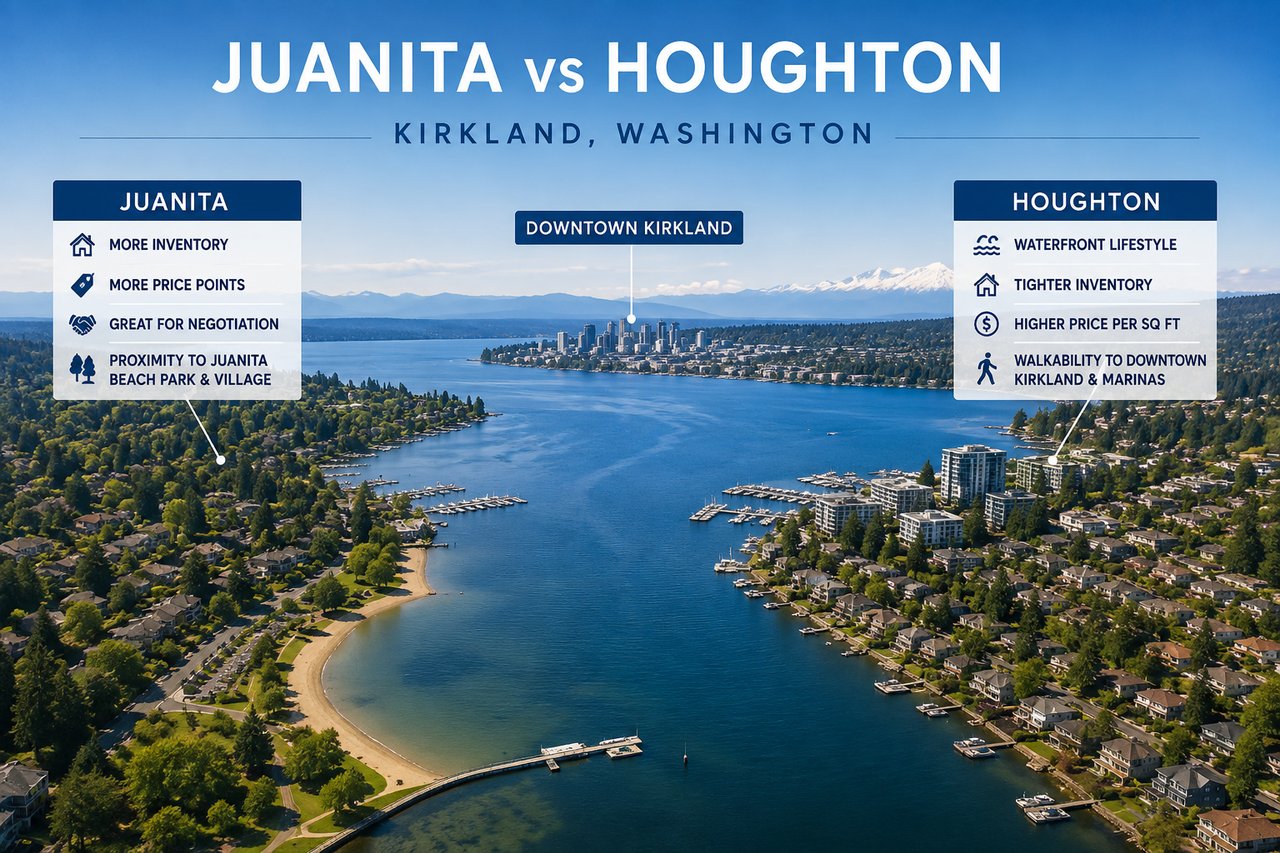
Kirkland isn't one market. It's several, and pricing off a single citywide number under- or overshoots depending on which one your home sits in. Waterfront and lake-view homes behave completely differently than homes two or three blocks inland, and inland neighborhoods away from the lake see less seasonal swing and different buyer urgency than the waterfront segment does. Pulling comps from the wrong tier is the single most common pricing mistake I see in Kirkland, and it either leaves money on the table or creates an extended market time that signals weakness to the buyers you actually want.
Presentation has to match the pricing strategy for any of this to work. In Kirkland's higher-end pockets, buyers expect a level of staging and photography that supports a premium price point before they'll compete for a home, and skipping that step undercuts even an accurately priced listing. In more moderately priced neighborhoods, buyers respond more to visible maintenance, fresh paint, updated fixtures, and obvious signs of care, than to styled staging, so the money is better spent closing condition gaps than on a full furniture package.
Comps also age quickly in a market moving this much year-over-year: a comp pulled even 60 days ago can already be stale enough to misprice a listing by a meaningful margin, especially with Kirkland's inventory up roughly 34 percent from a year ago.
Also, discover how much you will get after selling your Kirkland home.
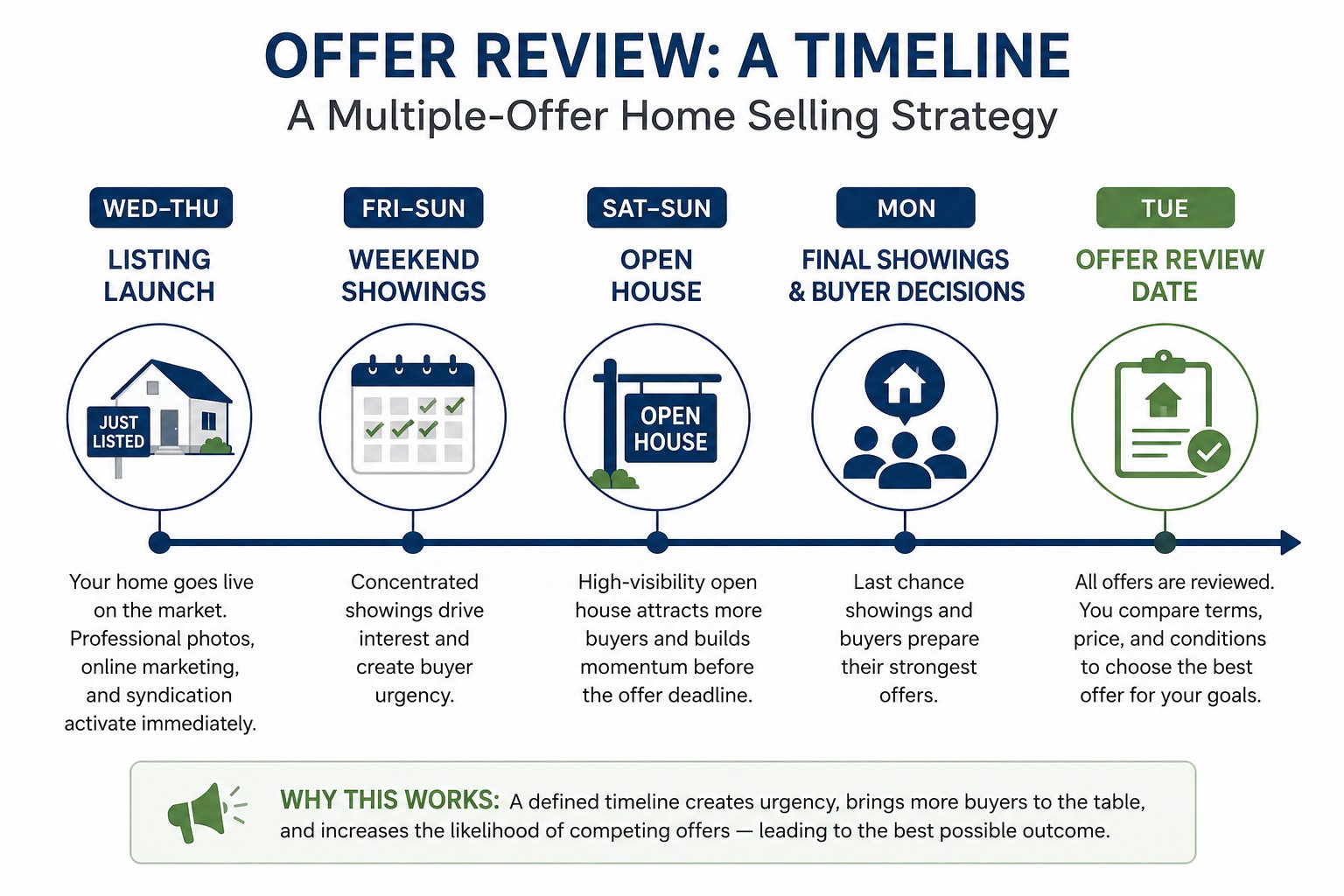
Urgency drives competition, and one of the most reliable ways to create it is limiting the showing window and setting a clear offer review date up front. A listing in Kirkalnd that goes live Wednesday or Thursday, holds showings through the weekend, and sets an offer review date for the following Monday or Tuesday concentrates demand into a single decision point instead of letting interest trickle in over two or three weeks. Buyers who know they're one of several serious parties tend to bring stronger terms the first time instead of testing the market with a lowball offer.
This only works if the showing window is genuinely well-attended, so the marketing push in those first few days matters as much as the pricing itself. Professional photography, a same-week open house, and syndication to the major search portals need to be in place before the listing goes live, not scrambled together after the first showing request comes in. A quiet first weekend with an offer review date already set is worse than no review date at all, since it signals low demand right at the moment buyers are deciding whether to compete.
An escalation clause lets a buyer's offer automatically increase, up to a stated cap, in fixed increments whenever a competing offer comes in. From the seller's side, these clauses only do their job when there's a genuine competing offer to escalate against, and in Washington that typically means the buyer's agent is entitled to see proof of the triggering offer, redacted per your contract terms, before the escalation takes effect.
Run the commission math alongside this, because it's the number that actually tells you whether chasing a higher offer is worth it. For example, on a $1.3 million Kirkland home at 5.5 percent commission, that's roughly $71,500 in total commission.
That table is the practical case for a well-run offer process: the roughly $3,575 increase in commission from a stronger sale price is dwarfed by the additional proceeds it produces. Sellers who focus on shaving commission instead of building real competition are usually optimizing the wrong number.
Even a well-executed pricing and offer-review strategy doesn't guarantee a bidding war, and it's worth having a plan for that outcome before you list, not after. If your offer review date arrives with a single offer or none at all, the fastest read is your online showing activity relative to comparable listings: strong traffic with no offers usually points to price, while weak traffic points to marketing or presentation.
A modest, early price adjustment, made within the first one to two weeks, tends to recover buyer interest far better than holding firm and cutting later, since buyers watching a listing notice a pattern of reductions and negotiate harder as a result.
It's also worth remembering that a single strong offer with clean terms, solid financing, and a reasonable timeline can outperform a bidding war that drags in weaker buyers just to create the appearance of competition. Before accepting the first offer that comes in, run a net sheet comparison rather than just comparing headline sale prices. An offer with fewer contingencies and a larger earnest money deposit can outperform a nominally higher one that's packed with concessions.
Getting multiple offers on a Kirkland home in 2026 is about pricing accurately to the right micro-market, presenting a home that can support the strategy you're using, and structuring the showing and offer process so real competition has a chance to show up.
Sellers who skip any one of those three pieces usually end up with either a single offer well under what the home was worth, or a listing that sits long enough to need a price cut. The sellers who consistently get this right treat pricing as a strategy built around their specific neighborhood and their specific home, not a number pulled from a citywide app estimate the week before listing.
The best pricing strategy isn't about choosing the highest number or the lowest number, it's about selecting the price that creates the strongest competition. That's what ultimately drives the highest net proceeds. Book a Free Pricing Strategy Call with me. You can also see how commission structures affect your bottom line in Are Realtor Fees Negotiable in King County?, or run your own numbers with the Seller Net Proceeds Calculator.
Only if the home is in great condition. Underpricing creates urgency, but a home that isn't ready will read as a problem, not a deal.
One to two weeks. An early, modest adjustment works far better than holding firm and cutting later.
Not without strong marketing behind them. No showings, no competition, the review date alone doesn't create urgency.
Run a net sheet before deciding. A clean offer with fewer contingencies can outperform a higher one loaded with conditions.
Yes. In Kirkland's higher price bands, a price that's too far below comps raises questions about what's wrong, and sophisticated buyers notice.
Stay up to date on the latest real estate trends.
buying
selling and buying
Selling

buying
selling and buying
Selling

selling and buying
Selling
selling and buying
Contact Details

Nic Chambers
11901 NE Village Plaza, Suite 271 Kirkland WA 98034