
Relocating to the Eastside? A 2026 Buyer's Guide to Kirkland, Redmond & Bellevue
buying Nic Chambers September 2, 2026
buying Nic Chambers September 2, 2026
Every week I talk to families relocating to the Eastside who have the same challenge: they have six weeks to buy a home but don't yet know the difference between Kirkland, Redmond, and Bellevue. On paper they look similar. In reality, choosing the wrong city can mean adding hours to your weekly commute or spending hundreds of thousands more than necessary.
Here's the real breakdown, built around the decisions that actually determine which of these three cities is right for you and your family.
As of February 2026, Microsoft requires employees living within 50 miles of a campus to be in-office at least 3 days a week. That single policy has reshaped Eastside relocation decisions this year, because a 45-to-60-minute commute that felt tolerable when you were remote 4 or 5 days a week becomes a real quality-of-life problem at 3 round trips weekly. The commonly cited threshold among relocation specialists is a 30-minute one-way drive as the practical ceiling for a sustainable 3-day-per-week schedule.
If Microsoft is your employer, Redmond wins on pure commute math. Education Hill and the Overlake area sit roughly 5 to 10 minutes from the main campus, which continues expanding, with 12 of its planned 17 buildings now complete as of this year. Kirkland is the next-best option, with Bridle Trails and Juanita running 15 to 25 minutes to campus. Bellevue is workable but pushes toward the upper end of sustainable, typically 20 to 35 minutes depending on the neighborhood and route.
If you're joining Google's Kirkland campus instead, the calculus flips. Kirkland's East of Market, Juanita, and Rose Hill neighborhoods put you minutes from the office with a genuinely walkable downtown, while Redmond or Bellevue would add a reverse commute you don't need. And if Amazon in Seattle's South Lake Union is your employer, Bellevue's I-405 access typically runs 20 to 25 minutes, making it the more practical Eastside base for that commute, especially compared to Redmond's longer westbound drive.
Worth noting for anyone not driving every day: Microsoft operates an extensive shuttle system called the Connector, running from stops across Bellevue, Kirkland, Bothell, and Issaquah to the main Redmond campus. It's a genuine option for employees who'd rather not drive on office days, and it widens the realistic radius beyond the strict 30-minute driving threshold for buyers willing to build a shuttle stop into their daily routine.
Transit options also expanded meaningfully this year. Sound Transit's cross-lake light rail connection opened in spring 2026, linking the Eastside to Seattle and easing several of these commutes just as the return-to-office requirements took effect. For buyers weighing a neighborhood near a station, particularly in Redmond's Overlake and Downtown areas already served by light rail, that access widens the realistic commute radius beyond what a pure driving-time estimate would suggest.
Budget matters as much as commute time, and the three cities aren't priced the same. Bellevue's median sale price sits around $1.5 million, with homes moving in about 8 days.
Kirkland runs lower at roughly $1.3 million, with homes taking about 13 days to sell. Redmond tracks close to Kirkland at around $1.3 million with a similar pace, though Redmond offers a genuinely lower entry point in its downtown submarket, where condos and townhomes have traded closer to $595,000, a meaningfully different budget than a single-family home in Education Hill or Overlake.
For relocating buyers without deep local knowledge, renting for 6 to 12 months before buying is a reasonable way to learn the neighborhoods before committing. But it's not automatically the safer or cheaper move on the Eastside.
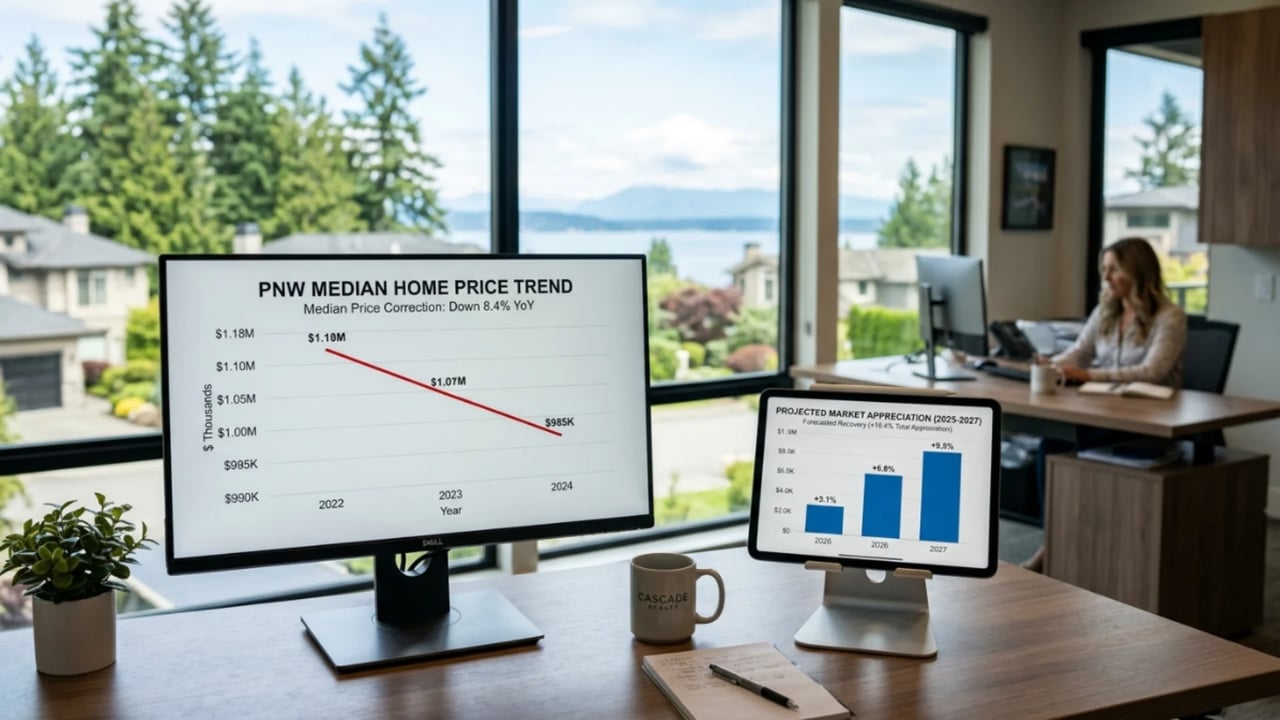
Rental markets in Redmond and Kirkland run tight and expensive enough that the savings versus buying immediately are often smaller than people expect, and every month spent renting is a month not building equity in a market that, even with this year's softer year-over-year numbers, has held value over any multi-year window.
If you already know your target neighborhood and have a clear, pre-approved budget, buying immediately locks in your costs against future appreciation and rate changes. If you're still deciding between two or three cities, a short-term rental in your top choice while you finalize the search is the more defensible reason to wait.
Kirkland and Redmond are both served primarily by the Lake Washington School District, which consistently earns strong, top-tier ratings from the Washington Office of Superintendent of Public Instruction. Bellevue runs its own district, Bellevue School District, which typically ranks at the very top statewide and leans more competitive and internationally focused, with a heavier emphasis on IB programming. Neither district is a wrong choice.
LWSD tends to suit families who want excellent schools without quite as intense an academic environment, while Bellevue School District suits families specifically targeting that top-ranked, high-rigor profile. If a specific school matters to your decision, confirm the attendance boundary for the exact address you're considering rather than assuming by neighborhood name, since boundaries can split a single street.
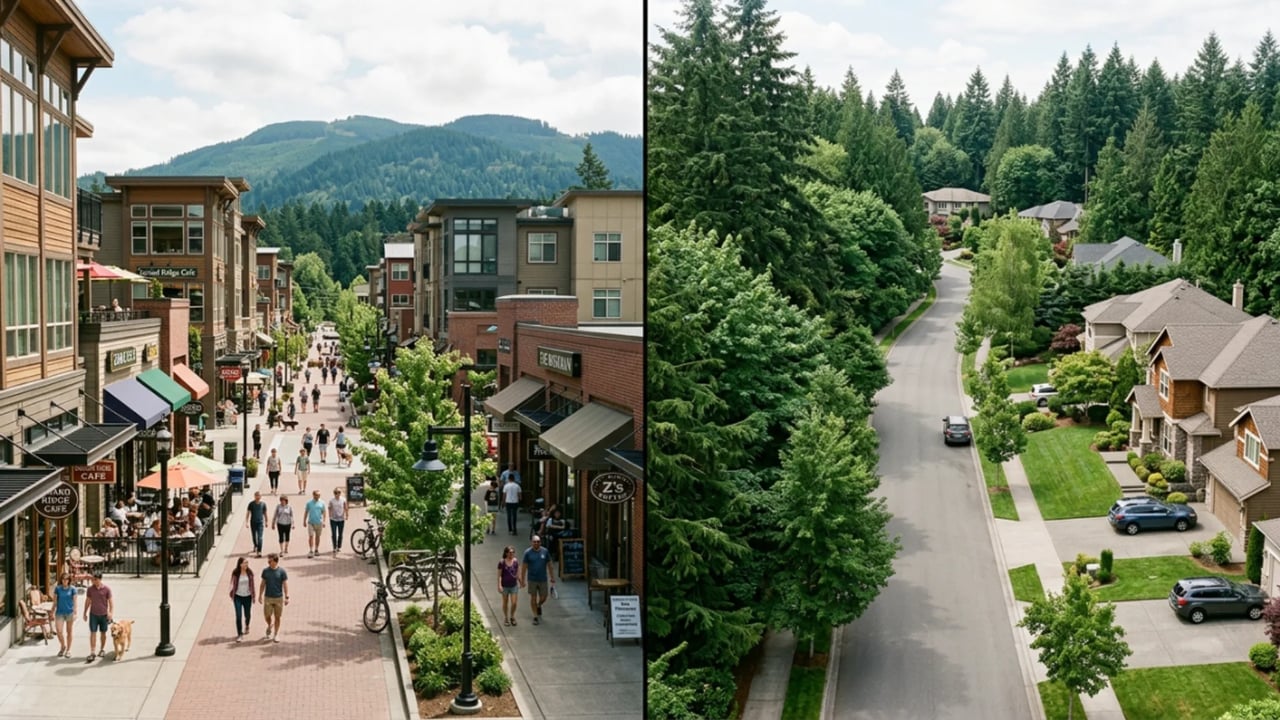
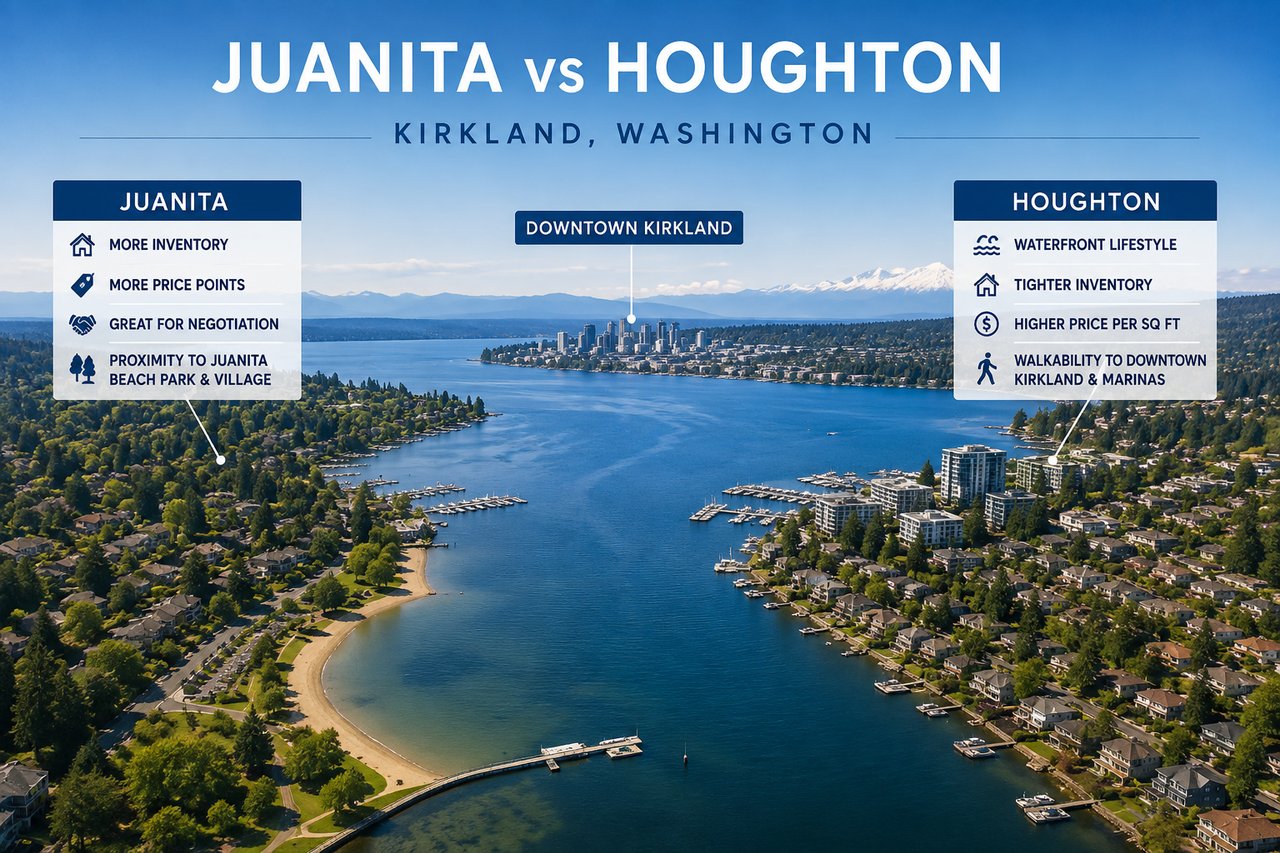
Redmond has a more suburban, family-oriented feel, walkable in pockets like Downtown Redmond and Overlake near the light rail station, but car-dependent in Education Hill and much of North Redmond. Kirkland leans into a waterfront, small-downtown character, with Lake Washington access, a walkable core, and a slower pace than Bellevue's urban center.
Bellevue offers the most concentrated urban amenities of the three: a genuine downtown core, high-rise living options, and the shortest distance to Seattle via I-90 or SR-520, alongside quieter, more residential pockets the further you get from the core.
None of the three is objectively better. The right answer depends on whether you're optimizing for commute time, school district intensity, walkability, or some balance of all three, and that balance looks different for a single relocating employee than it does for a family of five. This is exactly the kind of decision that benefits from a local conversation rather than a generic checklist, since the right neighborhood inside each city varies as much as the cities do against each other.
If your single priority is minimizing commute to Microsoft, Education Hill and Overlake in Redmond are the clearest answer, both running 5 to 10 minutes to campus with strong LWSD schools attached. If you want the best school district ranking in the region and don't mind a longer Microsoft commute, West Bellevue or Somerset in Bellevue give you Bellevue School District's top-ranked, IB-focused programs.
If walkability and a genuine downtown lifestyle matter as much as commute, Kirkland's East of Market and Rose Hill put you close to both the Google campus and a waterfront core that Redmond and much of Bellevue simply don't offer. Families prioritizing more space per dollar without leaving LWSD's boundaries often do well looking at Juanita or outer Kirkland, where price per square foot runs meaningfully lower than the waterfront core.
Redmond, Kirkland, and Bellevue each solve a different problem well. Redmond wins on Microsoft commute time and value. Kirkland wins on walkability and Google proximity. Bellevue wins on top-ranked schools and Amazon/Seattle access. The mistake most relocating buyers make isn't picking the wrong city; it's picking a city without mapping it against their actual commute, budget, and lifestyle priorities first.
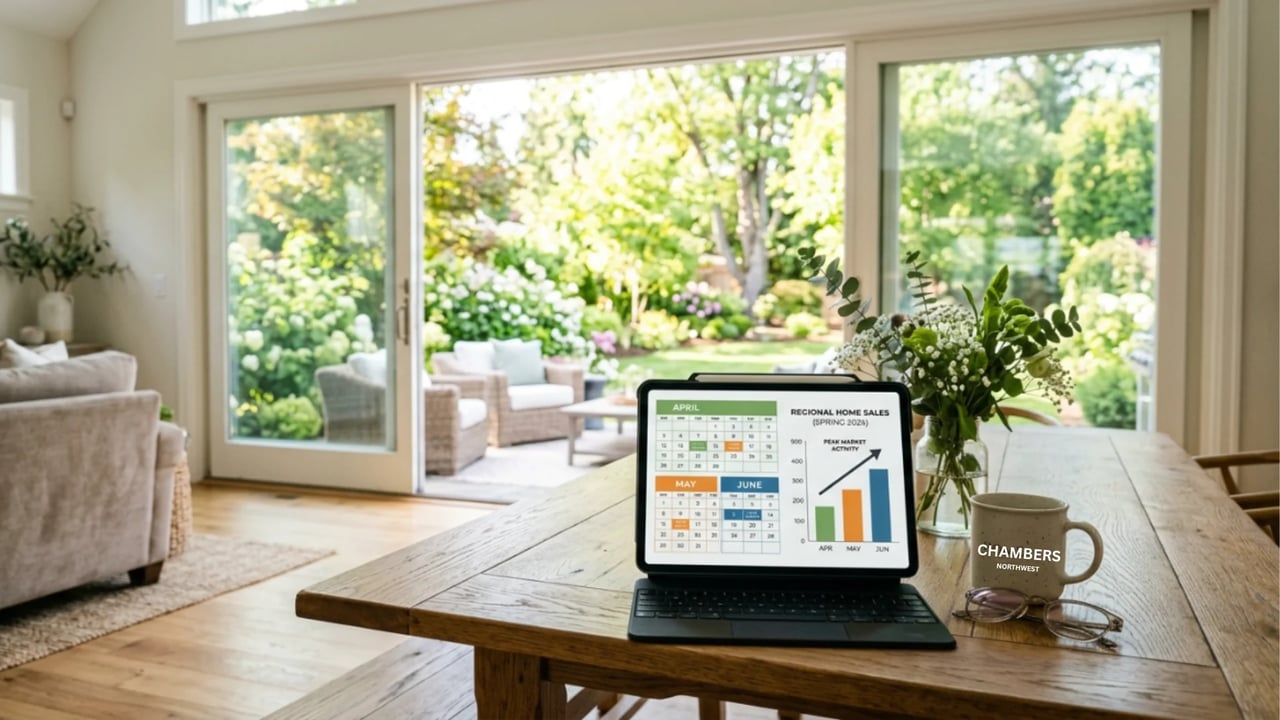
If you're moving on a compressed timeline, the practical sequence matters as much as the city itself: get fully underwritten pre-approval before you start touring, not just pre-qualified, since sellers across all three cities expect it in a competitive offer. Line up your target neighborhoods based on commute and budget first, then tour within that shortlist rather than across all three cities at once, which tends to slow decisions down right when speed matters most in a market where well-priced homes still move in 8 to 13 days.
Every relocation is different. The right neighborhood depends on where you work, how often you'll commute, your budget, and what kind of lifestyle you're looking for. Before you start touring homes, I'd be happy to help you narrow the search to the communities that fit your priorities so you don't waste time looking in the wrong places.
You can also see the full list of Eastside communities I work across.
Redmond is generally the best option because of its close proximity to Microsoft's main campus. Education Hill and Overlake offer some of the shortest commutes.
Both are excellent choices. Bellevue is known for its highly ranked school district and urban amenities, while Kirkland offers waterfront living, walkable neighborhoods, and Lake Washington School District schools.
Renting for six to twelve months can help if you're unfamiliar with the area. However, buyers who already know their preferred neighborhoods may benefit from purchasing immediately to avoid rising housing costs.
Redmond and Kirkland generally have similar median home prices, while Bellevue typically commands higher prices because of its premium neighborhoods and proximity to Seattle.
Obtain fully underwritten mortgage pre-approval, narrow your search based on commute and budget, and focus on neighborhoods that match your lifestyle before scheduling home tours.
Stay up to date on the latest real estate trends.

selling and buying
Selling
buying
selling and buying

Selling

selling and buying

Selling
selling and buying
selling and buying
Contact Details

Nic Chambers
11901 NE Village Plaza, Suite 271 Kirkland WA 98034