Escrow and Title Fees for Sellers in King County
selling and buying Nic Chambers July 14, 2026
selling and buying Nic Chambers July 14, 2026
You've got an offer on your Bellevue home. Feels like the finish line, right? Not quite yet. Somewhere between now and closing day, two line items are going to show up on your settlement statement that trip up almost every seller: escrow fees and title insurance. They sound like the same thing. They're not. And knowing the difference before you list is what keeps your closing statement from feeling like a surprise instead of a plan you already understood.
Here's what each one actually covers, who typically pays for WHAT in King County, and how the numbers shift depending on whether you're selling in Bellevue, Kirkland, or elsewhere on the Eastside.
Here are the key points about Escrow…
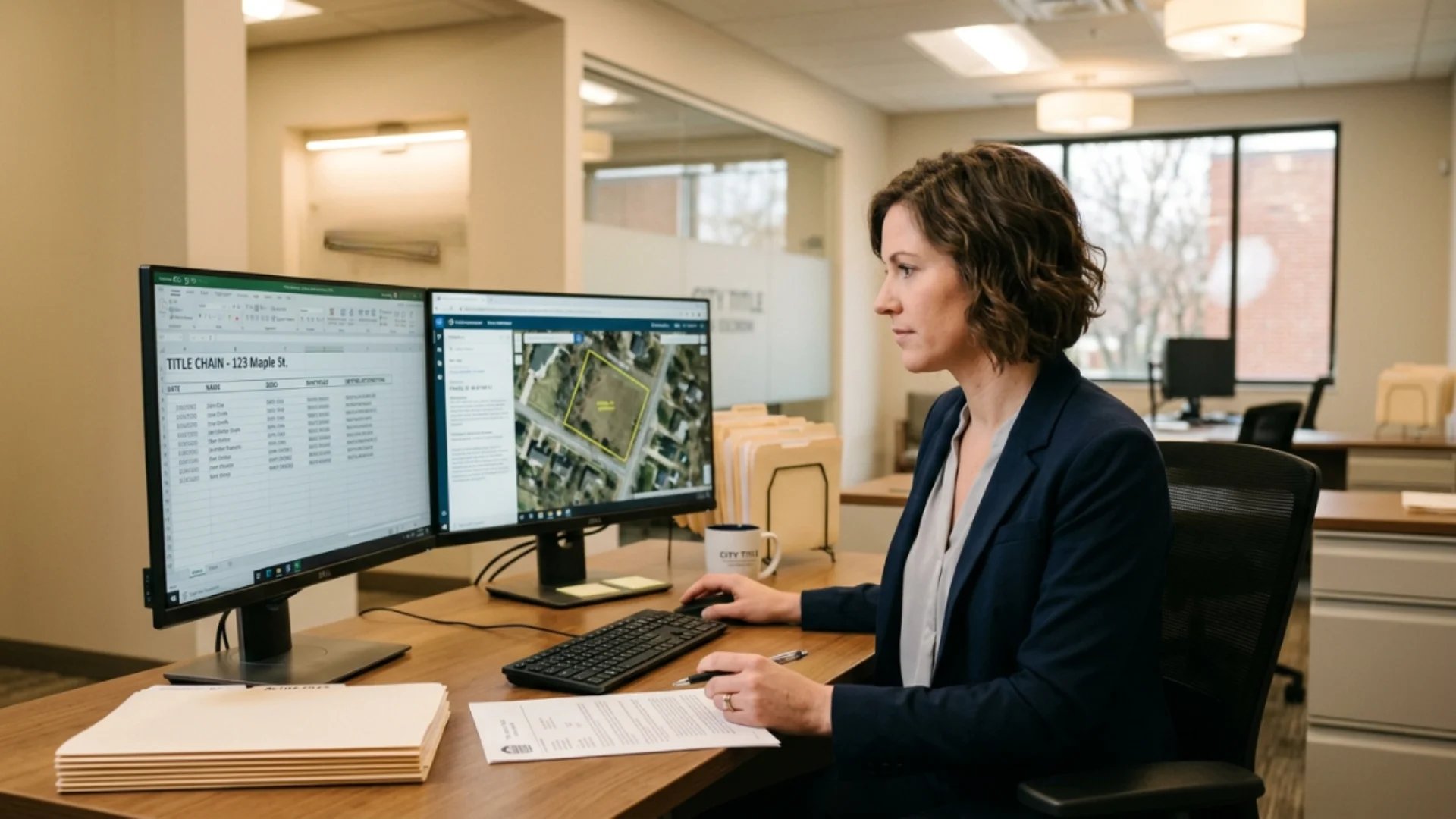
Escrow isn't really a single fee for a single service. It's a company, a neutral third party who holds the money, the paperwork, and the instructions until every condition of your sale agreement has been satisfied. Once the buyer's earnest money lands, escrow holds it. Once inspection contingencies clear, escrow tracks it.
Once the loan is approved and funded, escrow collects everything, pays out what's owed to each party, and sends the deed to the county for recording.
In Washington, escrow and title work is usually handled by the same company, or by two companies working closely together. That's a bit different from states where an attorney runs the closing table. Here, it's almost always a licensed escrow or title company managing the process from the day you go under contract to the day funds hit your account.
The escrow fee itself is what you're paying for that coordination. It's not title insurance, and it's not the state's real estate excise tax. It's specifically the cost of a neutral party doing the administrative and fiduciary work of getting your sale to the finish line without either side getting shortchanged along the way.
When your final settlement statement lands in your inbox, expect to see the escrow fee broken out as its own line. As the seller, your portion typically runs between $500 and $700, with the buyer covering a separate portion of their own. That's the standard King County range, though the exact split is a negotiated point in your purchase agreement, not a fixed rule carved in stone.
You'll also see a document preparation fee, wire fees if your proceeds are sent electronically, and prorated items like property taxes and any HOA dues, calculated down to the exact day of closing. None of those are title insurance charges. They're escrow's operational costs, and honestly, they're usually the smaller half of your combined escrow and title bill.
Here's how the main closing-statement line items break down side by side, so you can see what each one actually covers before you get to your final net sheet:
If you want to see exactly how these numbers stack up against everything else coming out of your proceeds, Nic put together a full walkthrough of King County and Eastside seller costs, covering commission, excise tax, and every fee in between, in our closing cost breakdown.
You can also use Net Proceed Calculator for free or You can read the full breakdown here: Cost to Sell a Home in King County & Eastside.
Here are the details a seller need to know…
Title insurance protects against a completely different risk than escrow does. Before your sale can close, a title company searches public records to confirm you actually own the home free and clear, and that there are no old liens, unresolved judgments, or ownership disputes hiding in the property's history. That search, and the insurance policy backing it up, is what title fees pay for.
There are two separate title policies in almost every King County sale. The lender's policy protects the buyer's mortgage company against a title defect that surfaces after closing, and the buyer typically pays for that one since it protects their loan. The owner's policy protects the buyer's actual ownership stake, and in King, Snohomish, and Pierce Counties, it's local custom for the seller to pay for the buyer's owner's policy at closing.
That custom is negotiable, especially in a slower market or when a buyer is asking for concessions. But if you're selling in Bellevue or Kirkland right now, budget for it as a standard seller cost unless your agent specifically negotiates otherwise in the purchase agreement.
Owner's title insurance in King County typically runs somewhere between $1,000 and $2,500, and the number moves with your sale price rather than staying flat. A home selling in Kirkland's mid-range will land toward the lower end of that range. A higher-value Bellevue sale will push toward the top, and homes well above that will see the percentage shrink even as the dollar figure grows, since title premiums scale in tiers rather than as a straight percentage.
On top of the escrow and title figures, King County sellers should plan for one more line item that catches people off guard: the recording fee. This isn't a King County-specific charge. It's a statewide recording surcharge under Washington law, currently $303.50 to record the first page of most real estate documents, including the deed and, if you're paying off a mortgage, the reconveyance that clears your existing loan from the title. King County applies the same fee as every other county in the state. If your transaction involves more than one document, that fee applies to each one.
None of these figures include the Real Estate Excise Tax, which is a separate, larger cost calculated on your full sale price and always paid by the seller in Washington. Escrow and title fees are administrative and insurance costs. REET is a state and local tax. They land on the same closing statement, but they're not the same kind of expense, and lumping them together is exactly how sellers end up guessing instead of knowing.
One thing that trips up first-time sellers is assuming these costs come out of pocket somewhere along the way. They don't. Title work actually starts almost immediately after mutual acceptance, since the title company needs time to run its search and clear anything that might hold up the sale.
But you, as the seller, aren't writing a check for any of it mid-transaction. Every fee we've covered here, escrow, title, recording, is deducted directly from your proceeds at the closing table. If your sale falls through before closing, most companies only bill for work actually performed, and that's something worth confirming in writing before you sign an escrow agreement.
This is also the point where wire fraud protection matters more than people expect. King County has seen its share of scams where a fraudster impersonates the escrow company and sends fake wiring instructions right before closing. A legitimate escrow company will never ask you to change your wiring details over email without a verified phone call. If you get an unexpected email about where to send or receive funds, call the escrow office directly using a number you looked up yourself, not one pulled from the email.
Nic's team walks every client through verified wiring instructions before funds move.
Escrow and title fees aren't set by the state the way excise tax is, which means they're not identical from one company to the next. It's worth asking your agent for an itemized estimate from more than one provider, especially on a higher-value Bellevue sale where even a small percentage difference in title premium adds up.
Some companies also offer a discount when the buyer and seller use the same title company for both policies, since it cuts down on duplicate work. That's a small detail, but on a seven-figure Eastside sale, it's not nothing.
Escrow pays for the neutral party managing your transaction. Title insurance protects the buyer's ownership and, by extension, keeps your sale moving toward a clean closing. Both are smaller pieces of a much bigger picture that includes commission, excise tax, and prorated items, and the only way to see your real number is to run it all together before you list, not after you've already accepted an offer.
If you want to know exactly what you'd walk away with on your specific home, book your consultation with Nic at Chambers Northwest.
Yes. While sellers traditionally pay for the owner's title policy in King, Snohomish, and Pierce Counties, every closing cost is negotiable.
Yes. Nearly every Washington real estate transaction uses an escrow company to coordinate funds, documents, and recording.
Sometimes. The purchase agreement ultimately determines who provides escrow services, although buyers and sellers can negotiate this during contract negotiations.
Stay up to date on the latest real estate trends.
buying
selling and buying
Selling

buying
selling and buying

Selling

selling and buying
Selling

selling and buying
Contact Details

Nic Chambers
11901 NE Village Plaza, Suite 271 Kirkland WA 98034